Youth Services OVERVIEW AND HISTORY
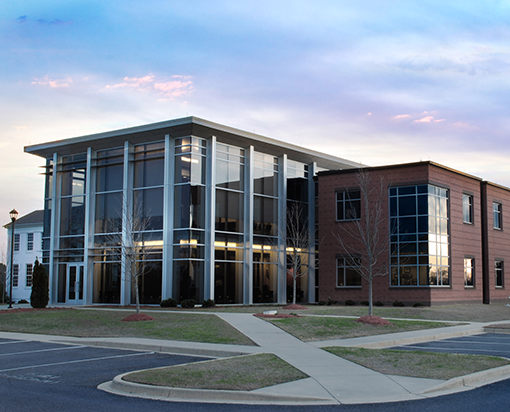
The Alabama Department of Youth Services (DYS) is the state agency that manages programs for youth in the justice system. It was created under Title 44 of the Code of Alabama, 1975. Additionally, DYS provides custody and rehabilitation for youth sent by juvenile courts, and it is separate from the adult correction system. In each county, the Administrative Office of Courts oversees probation, supervision, and aftercare for youth. Furthermore, DYS licenses regional detention centers, which may be operated by private groups or by local governments.
In terms of leadership, the Executive Director oversees all DYS operations and reports to an eighteen‑member board. Additionally, DYSruns three state facilities and contracts with community programs. Specifically, the three state facilities are the Mt. Meigs Campus, the Vacca Campus, and the Autauga (pronounced “Aw‑TAW‑guh”) Campus. To clarify, Mt. Meigs is the most secure facility and serves older youth. In contrast, Vacca is a secure facility for younger youth, ages 12 to 16. Meanwhile, Autauga serves youth ages 13 to 17 and provides a short‑term program that lasts three to six months. This program, in particular, focuses on skill development and is designed for medium‑risk youth.
Furthermore, DYS contracts with private providers to operate eleven community‑based treatment programs, and all contract programs are licensed by DYS Together, the state facilities and contract programs provide residential care for about 450 youth each day. In addition, DYSfunds 50 diversion grant programs that serve 59 of Alabama’s 67 counties.
Regarding education, the DYS School District 210 provides academic services for youth in DYS facilities. The district, which is accredited by the Southern Association of Colleges and Schools, is led by a superintendent supported by administrative staff. Each facility has an on‑site school with full‑time teachers and a principal. Moreover, educational services are also offered in the contract programs.
Our Mission/ Vision
The mission of the Alabama Department of Youth Services is to be a life-changing resource for youth involved in the justice system by providing quality educational opportunities, services and supports to reduce reoffending, improve positive outcomes, strengthen families, and enhance community safety.
Our vision is to connect with youth involved in the justice system and to change the trajectory of their lives.
Our Values
Safety & Accountability
We believe a safe environment is everyone’s responsibility and is foundational for individual and programmatic success.
Character & Integrity
We believe the behavior we desire in others should first be seen through our own actions.
Communication & Collaboration
We share ideas freely and courageously. We embrace the potential of new ideas and approaches.
Respect & Connection
We believe youth and staff become meaningfully engaged through respectful relationships that are consistent, compassionate, and fair.
Empowerment & Discovery
We create opportunities for others to learn, engage, and transform.
Equity & Inclusion
We embrace our diversity, believing it transforms us and our community.
Transparency & Excellence
We are committed to being informed by data to improve the quality of our efforts and accountability to our stakeholders.
DYS History
The Alabama Department of Youth Services was created in 1973 under Section 44‑1‑1 of the Code of Alabama. Its purpose, in summary, is to provide a coordinated program to help rehabilitate young people involved in delinquency across the state. Before this department existed, three different institutions operated separately from one another.
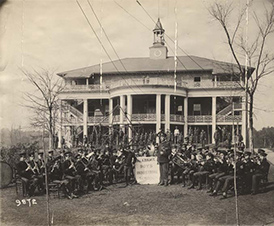
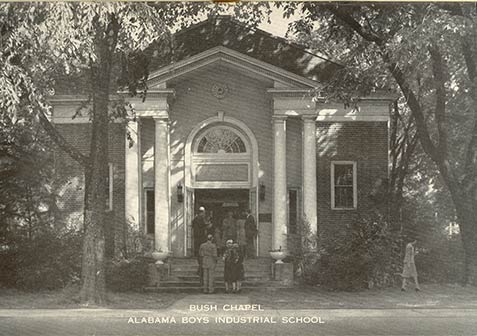
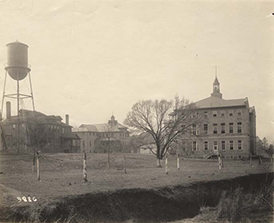
Specifically, Act 106, also called the Alabama Exceptional Child Act (Section 16‑39, Code of Alabama), lists these earlier institutions by their former names: the Alabama State Training School for Girls, the Alabama Boys Industrial School at Mt. Meigs (pronounced “Megs”), and the Alabama Boys Industrial School at Birmingham. Later, in 1983, a school district was created, and all education programs within Youth Services were placed under the management of School District 210.